Celebrating the Feasts of the Lord
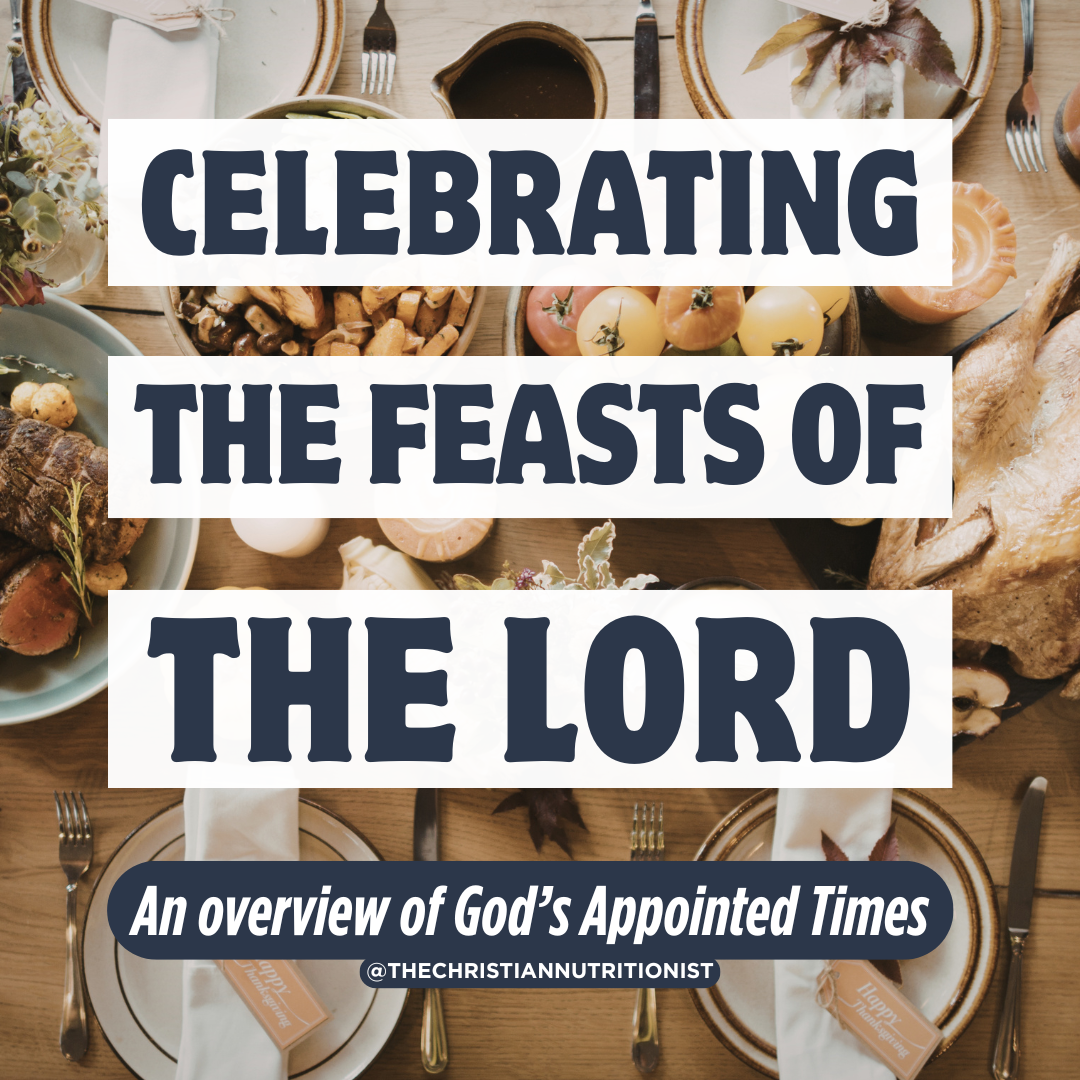
Why the Feasts Still Matter for Christians
When Christians hear about Passover, Tabernacles, or the other biblical feasts, the first thought is often, “Aren’t those Jewish holidays?”
It’s an understandable question but in Leviticus 23, God calls them the feasts of the Lord and outlines the way His people are to observe them.
And the Lord spoke to Moses, saying, “Speak to the children of Israel, and say to them: ‘The feasts of the Lord, which you shall proclaim to be holy convocations, these are My feasts. Leviticus 23:1
The thing is, these feasts all point to Jesus.
He was crucified at Passover.
Buried during Unleavened Bread.
Raised on First Fruits.
The Holy Spirit was poured out at Pentecost.
The spring feasts point to Jesus's first coming (crucifixion/resurrection) and the fall feasts point to his return and the final gathering.
Rather than viewing the biblical feasts as merely “Jewish holidays,” we can see them as God’s appointed times - given to help His people recognize His redemptive plan through Jesus and grow in awe of His perfect timing.
As Christians, we are not “required” to observe these feasts, but understanding, and perhaps even observing them, can help us grow richer in our faith.
I hope this overview gives you a good starting place to learn about the feasts and invites you to seek more. ❤️
Understanding the Structure
The Feasts of the Lord (Leviticus 23)
🌱 Spring Feasts (Fulfilled at Jesus’ first coming)
Passover
Unleavened Bread
First Fruits
Shavuot (Pentecost)
🍂 Fall Feasts (Associated with Christ’s second coming)
Trumpets
Day of Atonement
Tabernacles
Biblical Festivals (Later Celebrations)
These are meaningful biblical celebrations but not part of Leviticus 23:
Purim
Hanukkah
Including them helps tell the fuller story of God’s faithfulness
🌸 Spring Feasts
Purim - God’s Hidden Deliverance
Month: 14th of Adar (Feb–March)
Scripture: Esther 9:20–22
Category: Biblical Festival (not Leviticus 23)
Biblical Focus: Purim commemorates the Lord’s rescue of the Jewish people through Esther and Mordecai. It is traditionally a joyful celebration often following a fast, remembering that God was working behind the scenes even when He was not visibly named.
Christian Insight: Purim reminds us:
God is working even when unseen
Courage matters
Fasting often precedes breakthrough
God preserves His people
📖 Esther 4:14 — “For such a time as this…”
Simple Ways to Observe:
✓ Read the book of Esther
✓ Reflect on God’s hidden faithfulness
✓ Consider a short fast followed by celebration
✓ Share a joyful family meal
Passover (Pesach)- The Lamb of Deliverance
Date: 14th day of the first month (March–April)\
Scripture: Leviticus 23:5; Exodus 12
Biblical Focus: Passover celebrates Israel’s deliverance from slavery in Egypt when God protected His people through the blood of the lamb. Jesus was crucified on Passover.
How It Points to Jesus: Jesus is our Passover Lamb. 📖 1 Corinthians 5:7
Christian Reflection:
Salvation and redemption
Freedom from bondage
God’s protection
Simple Ways to Observe:
✓ Read Exodus 12
✓ Share a meaningful meal
✓ Thank Jesus as the Lamb of God
Feast of Unleavened Bread - Removing the Leaven
Date: Begins 15th day of the 1st month
Scripture: Leviticus 23:6
Biblical Focus: For seven days, God’s people removed all leaven from their homes. This required intentional searching and cleansing.
How It Points to Jesus: Leaven represents sin. Jesus’ sinless body was buried, removing the power of sin.
Christian Reflection:
Heart examination
Repentance
Sanctification
Getting “Egypt” out of our lives
Simple Ways to Observe:
✓ Remove leavened bread for a time
✓ Pray Psalm 139:23–24
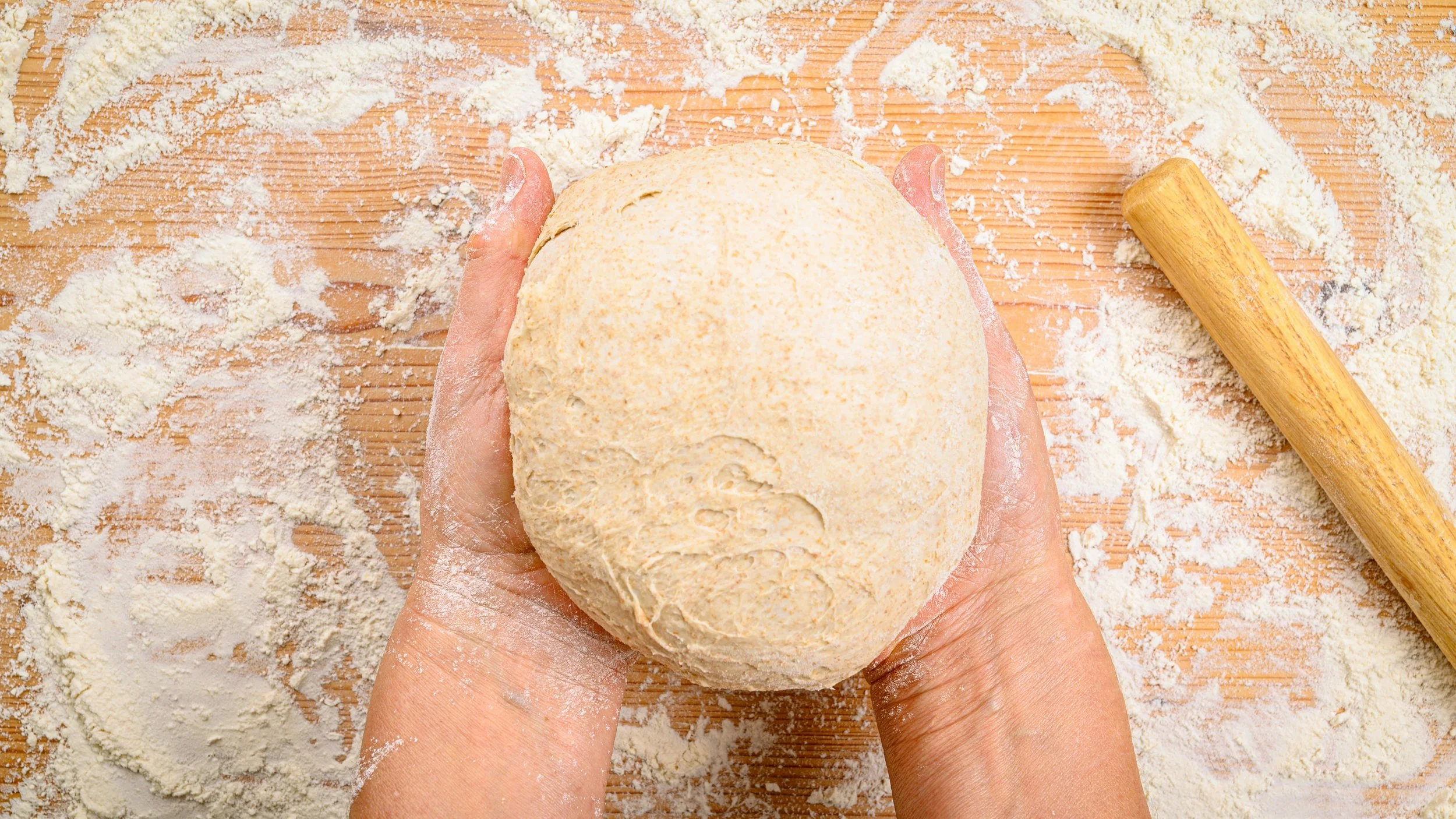
What Is Leaven?
Leaven is any substance that causes dough to rise by fermentation.
In biblical times, leaven was typically:
- A small piece of fermented dough saved from a previous batch
- Mixed into new dough to make it rise
- Similar in function to modern yeast
Today, leaven commonly includes:
- Yeast
- Sourdough starter
- Baking powder
- Baking soda (when used as a rising agent)
When added to dough, leaven creates gas bubbles that cause the dough to puff up and expand.
Feast of First Fruits - Resurrection and Provision
Date: During Unleavened Bread
Scripture: Leviticus 23:10–14
Biblical Focus: The first portion of the harvest was offered to the Lord in worship and thanksgiving. It reminded Israel that all provision comes from God. Jesus rose on the day of First Fruits.
How It Points to Jesus: Jesus is the First Fruits of the resurrection. 📖 1 Corinthians 15:20
Christian Reflection:
Resurrection hope
Gratitude for God’s provision
Living the new life in Christ
Simple Ways to Observe
✓ Offer a thanksgiving prayer
✓ Celebrate Resurrection hope
✓ Write down new-life declarations
Shavuot (Pentecost) - The Spirit and the Harvest
Date: 50 days after First Fruits (May–June)
Scripture: Leviticus 23:16–23; Acts 2
Biblical Focus: Shavuot was a solemn thanksgiving for the second spring harvest. God poured out the Holy Spirit on the disciples on this very day.
How It Points to Jesus: Pentecost marks the empowering of the Church through the Holy Spirit. 📖 Acts 2
Christian Reflection:
Empowerment
Bold faith
Harvest mindset
God’s law written on hearts
Simple Ways to Observe:
✓ Read Acts 2
✓ Pray for fresh filling of the Spirit
✓ Worship intentionally

🍂 Fall Feasts
Feast of Trumpets - The Awakening
Month: 1st of Tishri (September)
Scripture: Leviticus 23:23–25
Biblical Focus: Trumpets begins the High Holy Days and calls God’s people to attention and celebration of His sovereignty.
Christian Insight: Often associated with:
Spiritual awakening
The return of Christ
The gathering of believers
📖 1 Thessalonians 4:16
Simple Ways to Observe:
✓ Reflect and pray
✓ Worship joyfully
✓ Ask where God is calling you to wake up
Yom Kippur — The Day of Atonement
Date: 10th of Tishri (about 1.5 weeks after Feast of Trumpets)
Scripture: Leviticus 23:27–28
Biblical Focus: The most solemn day of the year - a time of fasting, repentance, and reverence.
How It Points to Jesus: Jesus is our final atonement. 📖 Hebrews 9–10
Simple Ways to Observe:
✓ Consider a fast
✓ Read Hebrews 9–10
✓ Pray Psalm 51
Sukkot (Tabernacles) — God Dwells With Us
Date: Begins 15th of Tishri
Scripture: Leviticus 23:33–36
Biblical Focus: God’s people lived in temporary shelters to remember His provision in the wilderness. This is the most joyful feast.
How It Points to Jesus:
God dwelling with His people
Final restoration
The joy of the coming Kingdom
📖 Revelation 21:3
Simple Ways to Observe:
✓ Share an outdoor meal
✓ Practice gratitude
✓ Read Revelation 21–22
⭐ HANUKKAH — The Festival of Lights
Month: 25th of Kislev (December)
Category: Biblical/Historical Festival (not Leviticus 23)
Biblical Focus:Hanukkah celebrates God’s miraculous provision when the Temple menorah burned for eight days on limited oil.
Christian Insight: Reminds us:
God sustains what He initiates
Light overcomes darkness
God preserves worship
Simple Ways to Observe:
✓ Light candles
✓ Read John 10:22–23
✓ Reflect on Jesus as the Light of the World

I hope this overview of The Feasts invites you to deeper understanding and appreciation for God’s Word and recognize how Jesus is woven through God’s perfect timeline.
If you’d like to learn more about how to observe these appointed times, listen to this podcast.