
A Biblical View of Sugar: Why Sweetness Was Meant to Be a Gift, Not a Guilt
I recently had a craving for molasses - which is super random - because molasses is not something I normally use or ever crave. But all of a sudden I wanted to take a big tablespoon of it. Weird!
I tend to pay attention to left-field cravings like that. Not in an I-want-chips craving kind of way, but like hmmmm, molasses??? There’s got to be something to this.
Turns out that molasses actually has some nutritive value and, historically, molasses was used medicinally during times of:
fatigue
anemia
heavy menstrual cycles
postpartum recovery
muscle cramps
adrenal depletion
This got me thinking about other traditional sweeteners like honey, maple syrup, and dates/date (often used in biblical times) and how these are God-given foods - not only for pleasure and delight, but in some cases, for healing, nourishment, and support.
It was the inspiration for this blog post and this podcast episode. Let’s dive in!
Sugar, Shame, and Scripture
Somewhere along the way, we’ve thrown the sugar baby out with the bathwater.
We’ve declared all sugar bad.
We sugar-shame.
Or we feel sugar-shamed for incorporating any sweetness into our diet.
And yet - it’s pretty amazing that we can get magnesium, potassium, and calcium from things like molasses or maple syrup. It’s amazing that honey has antimicrobial properties.
This might be controversial for a nutritionist to say, but I’m going to say it anyway:
Can sugar have a place in the diet?
I say yes.
Do we need self-control and moderation? Absolutely.
Scripture is actually very clear on this:
Have you found honey? Eat only as much as you need, lest you be filled with it and vomit. Proverbs 25:16
It is not good to eat too much honey… Proverbs 25:27
The Bible isn’t calling us to abstinence here - it’s calling us to wisdom and moderation.
You are not a bad person if you like sweet things.
This is not a moral failure.
God loves you no matter what you eat.
Food does not bring us near to God; we are no worse if we do not eat, and no better if we do. 1 Corinthians 8:8
What we ARE called to do is steward our bodies wisely.
God promised a land flowing with milk and honey - not soda and snacks.
Why Sugar Is Harder Today
Moderation is harder today than it’s ever been.
There’s an entire category of sugars and carbohydrates that simply didn’t exist for our biblical brothers and sisters - or even our great-great-grandparents. Highly refined, ultra-processed sugars give us all the pleasure with very little benefit.
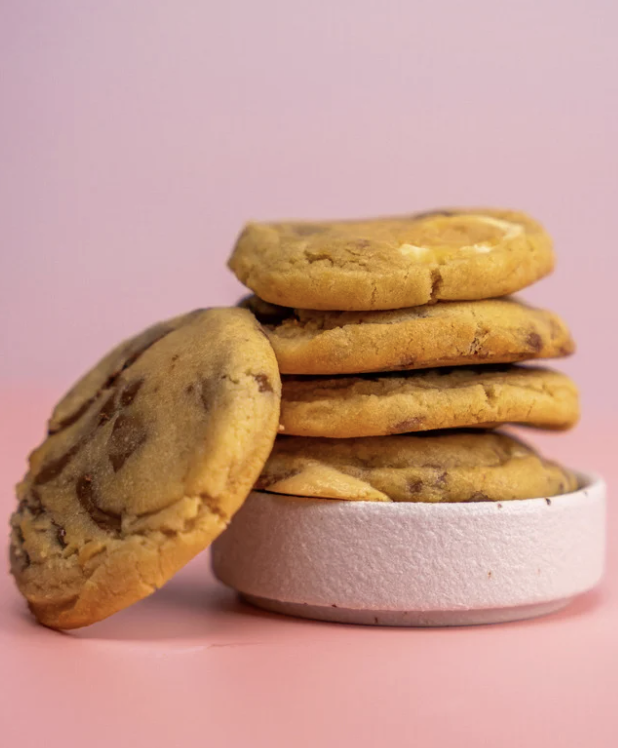
Generally speaking, the more stripped and refined sugar is, the harder it is on the body.
That doesn’t mean we can never have those foods.
If you treat your body well most of the time, it can handle some insults some of the time.
One of the most important lessons we teach in Feast 2 Fast® is finding grace and sustainability in your diet - the place where real food meets real life.
Where you can enjoy a cookie, a piece of cake, a glass of wine, or chips with guacamole without guilt or shame - and without spiraling. Feast 2 Fast® is modeled after the call to biblical moderation.
Let’s take a look at some Real Food sweeteners and better choices when it comes to sugar.
Molasses
The Mineral Sweetener (Late Winter / Early Spring)
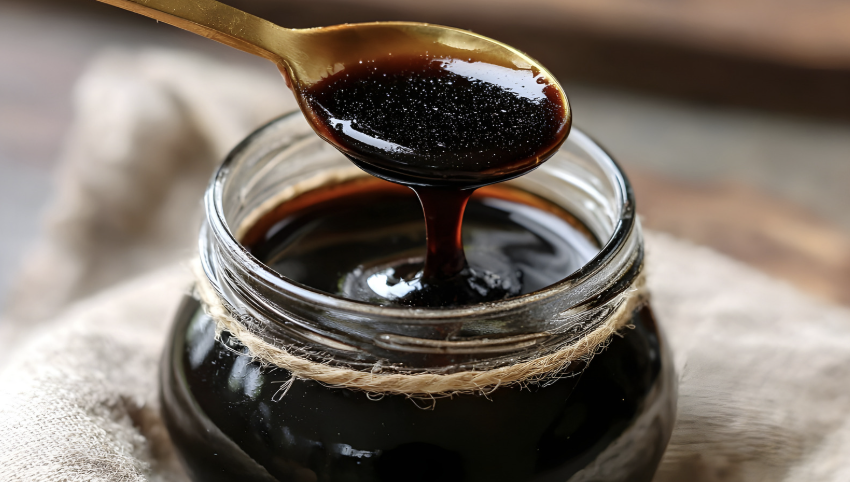
Molasses comes from sugar cane juice that’s gently boiled to concentrate sugars and minerals. As sugar crystals are removed, what remains is thick, dark molasses.
The longer it’s boiled, the more mineral-dense it becomes.
That’s why blackstrap molasses is the most beneficial form.
It’s rich in non-heme iron, magnesium, potassium, calcium, manganese, copper, and small amounts of B vitamins.
Historically, molasses was used for fatigue, anemia, menstrual recovery, postpartum healing, muscle cramps, and adrenal depletion.
Late winter and early spring are often times of mineral depletion and low energy - making molasses especially supportive.
Think of it as a food-based mineral supplement delivered with a little energy.
Use it in small amounts - often in warm water, tea, or milk.
Always choose unsulphured molasses.
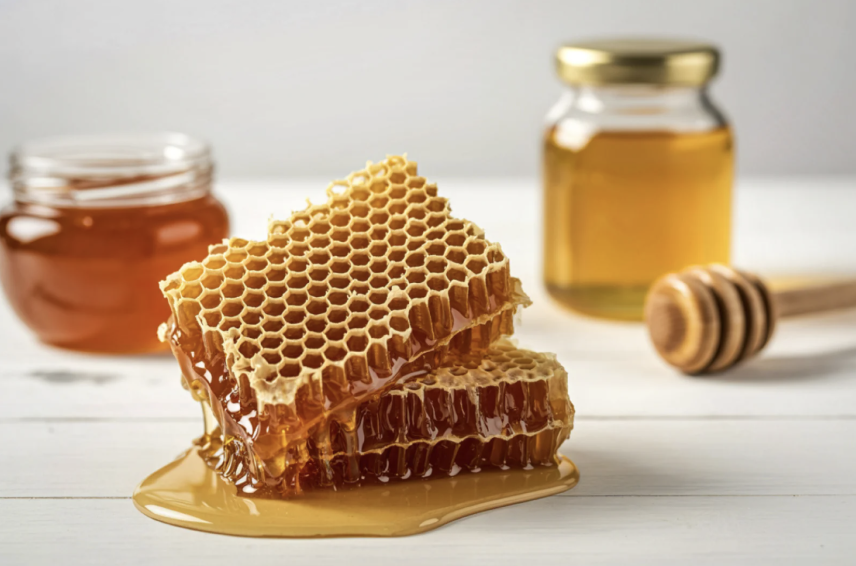
Honey
The Healing Sweetener (Spring Through Early Fall)
Honey doesn’t shine for minerals - it shines for biological activity.
It contains enzymes, antimicrobial compounds, polyphenols, and prebiotic properties that support the gut and immune system.
Honey has long been used for sore throats, coughs, immune support, gut health, and nervous system calming.
Raw, local honey also contains trace amounts of local pollen. Consumed consistently in small amounts, it can gently train the immune system to be less reactive during allergy season.
This is why raw and local matter - pasteurization and heavy filtering remove much of honey’s therapeutic value.
Honey fits best during seasons of higher immune activity, environmental exposure, heat, and dryness.
Maple Syrup
The Fuel Sweetener (Late Winter Through Early Spring)
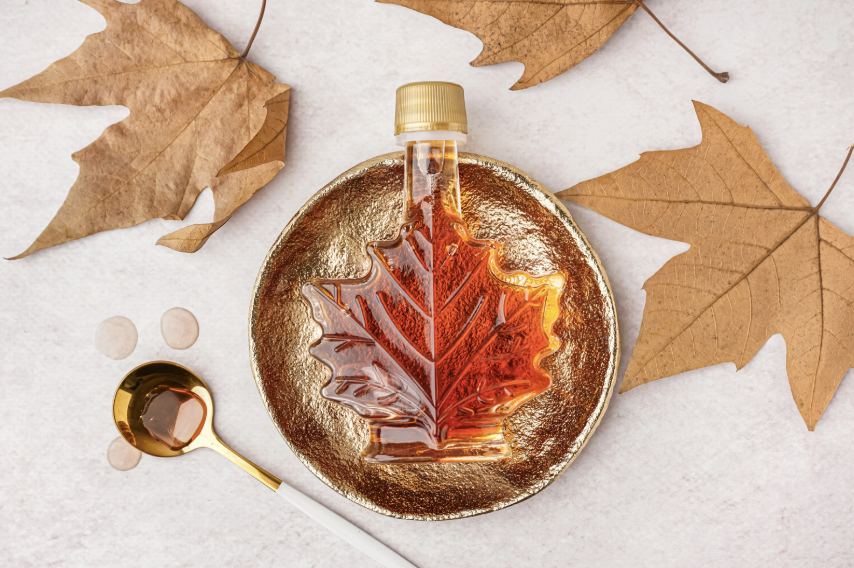
Maple syrup is less about soothing and more about clean energy.
It peaks in late winter to early spring - a time of low light, low energy reserves, and sluggish metabolism.
Maple syrup provides fast, clean glucose along with minerals like manganese and zinc, plus antioxidants.
It acts like a gentle metabolic wake-up call after winter.
Unlike honey, maple syrup doesn’t interact with the immune system, so regional sourcing matters more for quality than for allergy support.
Dates and Date Syrup
The Feast Sweetener
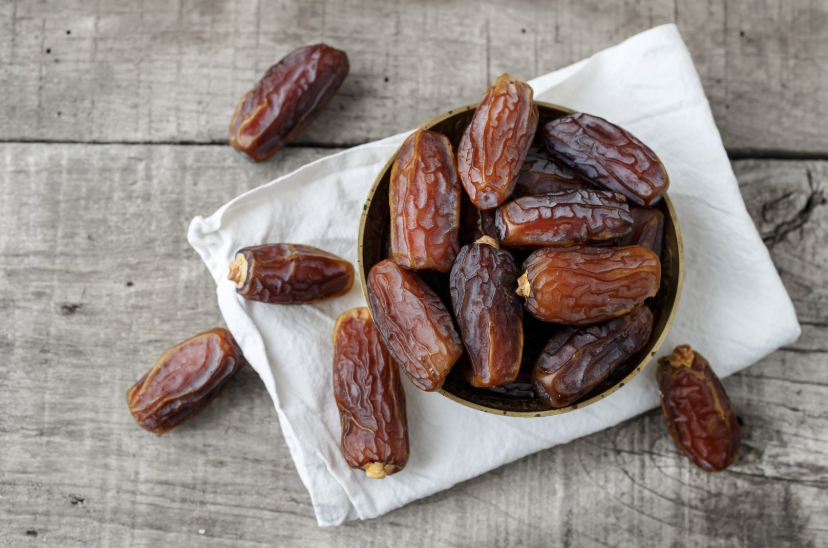
Dates hold a special place both biblically and biologically.
Dates are part of the Seven Species of the Bible, symbolizing abundance and provision.
For the LORD your God is bringing you into a good land - a land with brooks, streams, and deep springs gushing out into the valleys and hills; a land with wheat and barley, vines and fig trees, pomegranates, olive oil and honey; a land where food is plentiful and nothing is lacking. It is a land where iron is as common as stone, and copper is abundant in the hills. Deuteronomy 8:7–9
When the Bible refers to “honey,” it often means date honey - a thick syrup made from dates, called dvash in Hebrew.
Dates provide natural sugars, potassium, magnesium, fiber (when whole), and small amounts of B vitamins and copper.
Historically, dates were used to break fasts - offering quick energy, gentle digestion, and mineral replenishment.
Whole dates are preferable to date syrup because of the fiber, but both are far more nourishing than refined sugar.
There’s also date sugar, made from dried whole dates ground into granules - retaining fiber and minerals.
A Word on Coconut Sugar and Sucanat
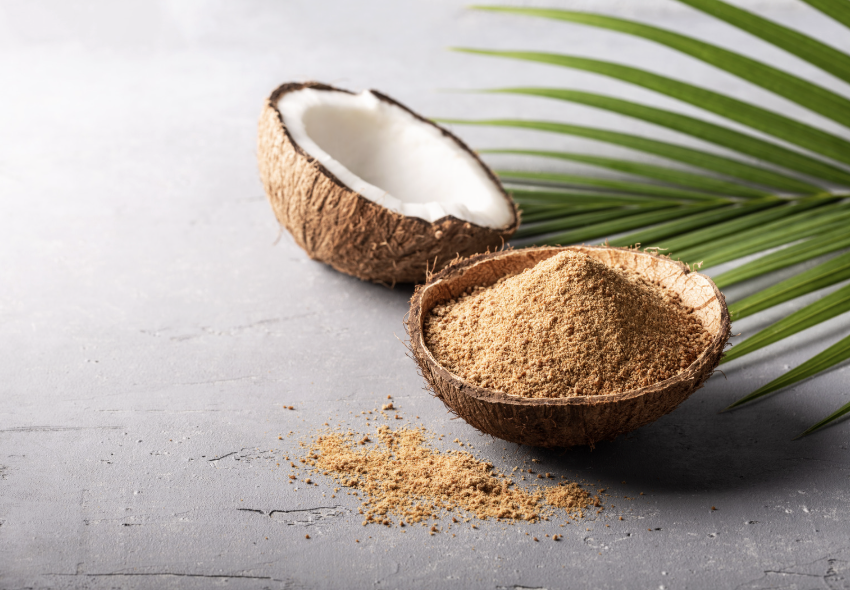
Coconut sugar is made from coconut palm sap. It’s less refined and often marketed as low glycemic because of the inulin - but the amount is small and it still behaves as other sugars in the body.
Sucanat, on the other hand, is whole cane sugar with its natural molasses intact - nothing removed, nothing added back. It retains trace minerals and is my go-to baking sugar.
Neither are meant to be daily staples, but they’re better options than more refined sugar.
The Bigger Message
We don’t have to fear real sugar.
The Bible never tells us to fear food - but it does call us to wisdom.
Sweetness is a gift.
And like all good gifts, it’s meant to be enjoyed in its proper place.
If sugar is dominating your energy, mood, cravings, or thoughts, it may be time for a reset. That’s exactly what we do in Feast 2 Fast® - restoring balance without shame or extremes.
All things are lawful for me, but I will not be dominated by anything. 1 Corinthians 6:12
Final Thoughts
I’m really glad I had that random craving for molasses!
Sometimes the body - and God’s design - has a lot to teach us when we slow down and pay attention.
If you’d like to hear a more in depth conversation on this topic listen to this podcast episode: A Biblical View of Sugar.
And if you’d like to learn how to practice biblical moderation of sugar in real life, come join us for Feast 2 Fast®!